Karma & Remedies Nadi Astrology
What Is Karma & Remedies Nadi Astrology?
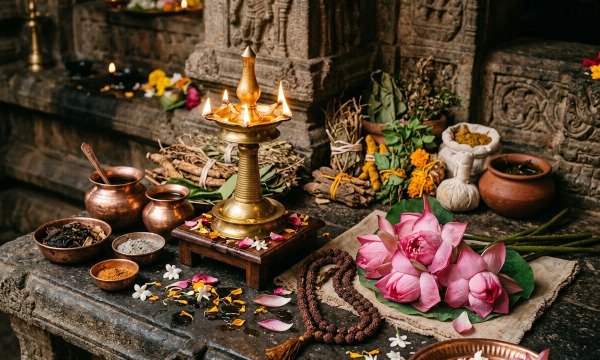
Karma and Remedies Nadi Astrology is the cornerstone of the entire Siva Nadi tradition. It diagnoses the specific past-life actions (Sanchita Karma) causing present recurring roadblocks—such as chronic delays, relational heartbreak, or financial stagnancy. With fatherly compassion, the sage prescribes precise, traditional pariharams at Vaitheeswaran Koil and associated holy shrines to dissolve these burdens.
Book Karma & Remedies Nadi Astrology
Direct reading from sacred palm leaves at Vaitheeswaran Koil with complete audio/video explanation.
Why Choose Us
Authentic Vaitheeswaran Koil heritage guided by Guruji A. Siva Guru Swamy at Sivanadi.
Direct Guruji Guidance
Personalized leaf search and interpretation overseen directly by hereditary reader Guruji A. Siva Guru Swamy at Sivanadi.
Original Palm Leaves
Centuries-old palm-leaf bundles preserved at Vaitheeswaran Koil, indexed strictly by your thumbprint.
Compassionate Remedies
Practical, authentic temple pariharams designed to dissolve past karmic debts and unburden your path.
Benefits of Karma & Remedies Nadi Astrology
Key spiritual and practical transformations revealed through this sacred solution.
Precise Root-Cause Insight
Understand the exact past karmic actions responsible for current persistent obstacles.
Authentic Temple Pariharams
Prescriptions of traditional temple visits, holy dips, and homams performed in your name.
Pithru & Navagraha Dosha Relief
Dissolve ancestral curses and planetary afflictions that hinder household growth.
Renewed Light & Inner Peace
Experience a tangible unburdening of the spirit, open roads, and positive life forward momentum.